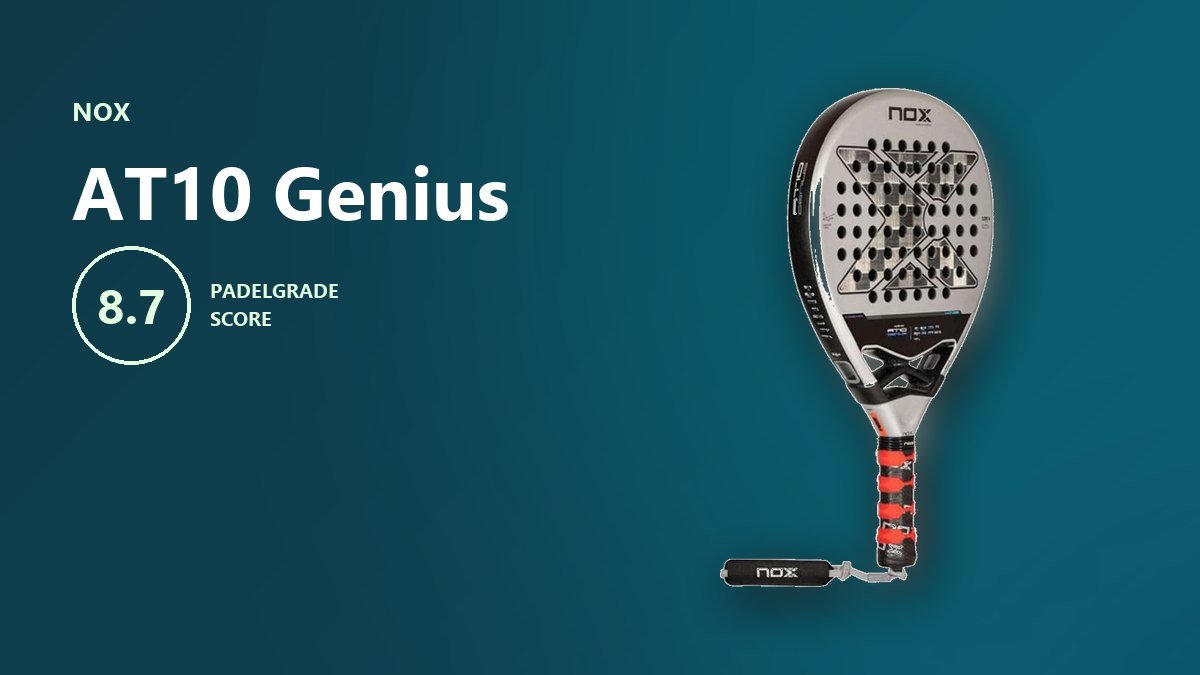
Nox AT10 Genius 18K: Score, Specs & Which Version to Buy
How we grade, and how we make money. We don’t play-test rackets. We aggregate specialist reviews, video analysis, verified owner ratings and manufacturer specs into one comparable score, and we list every source at the bottom of this page. If you buy through a link here we may earn a commission, which never affects a grade: the score is locked before any link is added.
The AT10 Genius is not the power racket its pedigree suggests, and that is the most useful thing we can tell you about it. Agustín Tapia’s frame carries 851 verified owner ratings — the largest sample of any racket in our database — and five independent sources rate it. They agree it is a control racket that can attack, not an attacking racket that can control. It grades 8.7.
The sources also disagree, badly, about one thing: how forgiving it actually is. That gap is 2.2 points, and it decides whether this racket suits you.

Nox AT10 Genius
The short version
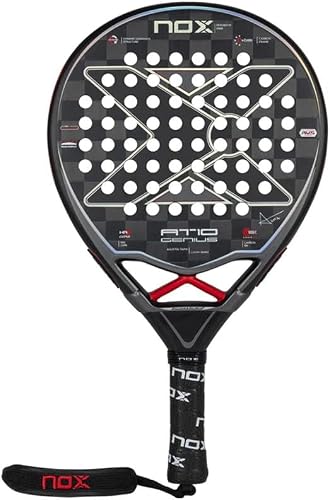
Teardrop head, 360–375 g, a balance around 265 mm that sits genuinely even, an 18K aluminised carbon face and the MLD Black EVA core. On paper that is a pro frame, and it is: Tapia has been world number one playing it.
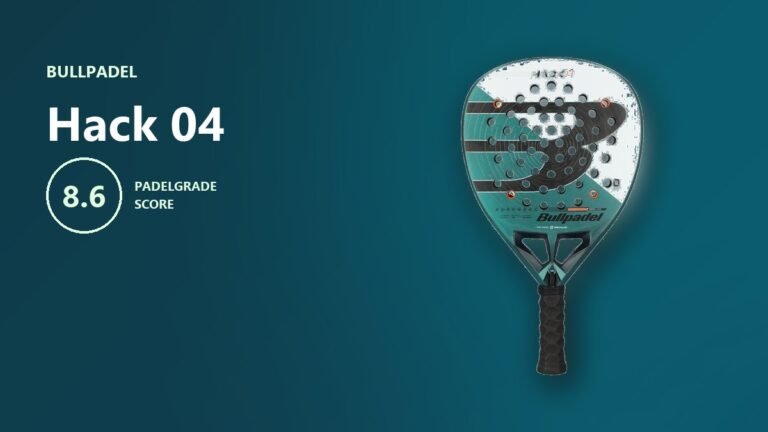
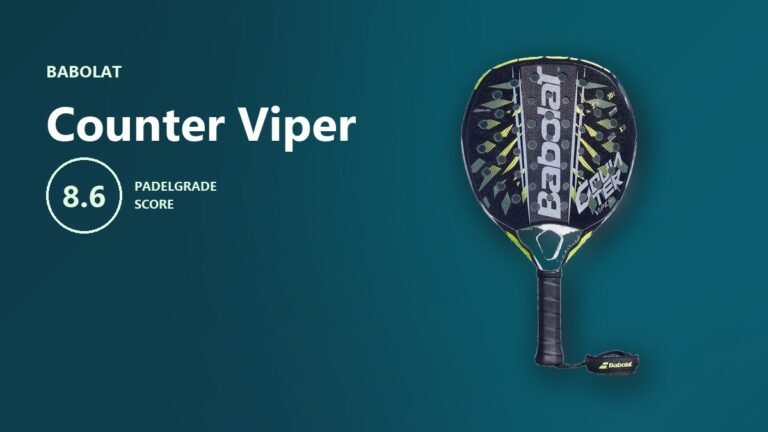
What the reviews describe, though, is not a cannon. Power averages 8.0 across five sources — below the Bullpadel Vertex 04 at 8.9 and well below the Babolat Technical Viper at 9.7. What it does better than either is hold a rally together: control comes out at 8.6, and one source puts it at 9.5.
Within Nox’s own range, it sits opposite the ML10 Pro Cup: the Pro Cup is the pure control frame with the widest sweet spot we have measured, and the AT10 is the one that keeps most of that control while still being able to finish a point.
How it scored
Six independent sources went into this grade — five with published numbers, one qualitative — plus 851 verified owner ratings across the three 18K listings on Amazon UK. We excluded one review because it was published by a shop selling the racket. Specs come from Nox’s own datasheet. The weighting is identical for every racket we cover: you can read it on how we grade.
| Dimension | Score | What the sources say |
|---|---|---|
| Power | 8.0 | Spread of 1.8. The highest rates it 8.8, the lowest 7.0. Everyone calls it “good, not elite”. |
| Control | 8.6 | The strongest dimension. One source rates control 9.5 and calls it elite-level across the whole court. |
| Forgiveness | 7.9 | Sources disagree sharply. Ratings run from 6.8 to 9.0. See below. |
| Comfort | 7.3 | Consistent across three sources, and the medium-hard core is why. |
| Manoeuvrability | 8.3 | Spread of 2.0, from 7.6 to 9.6, depending on which version was in hand. |
Owner consensus is where this racket separates itself. 851 ratings averaging 4.49 out of 5 is the largest verified sample we have on any frame, and by some distance — the Vertex 04, our highest-scoring racket, rests on 450.
Where the sources disagree, and why it matters
On the sweet spot, the numbers are not close. One source scores it 68 out of 100 and describes a demanding hitting zone. Another scores it 9.0 out of 10 and calls the racket forgiving on defence. On a 10-point scale that is a 2.2-point gap, and it is the second-widest disagreement we have recorded, behind only the Bullpadel Neuron.
Our reading: the split tracks the version, exactly as it does on every Bullpadel frame we have covered. The harsher assessments come from reviews of the standard 18K; the generous ones come from the 2026 Luxury Alum, whose reprofiled frame widens the zone. Two of the five sources do not say which they tested, and those two numbers are worth very little.
Take the 7.9 for what it is: a real average of genuinely different rackets sold under one name. If you mishit often, read the version table below before you decide.
Specs
| Spec | Value |
|---|---|
| Shape | Teardrop |
| Weight | 360–375 g |
| Balance | ≈265 mm, even to slightly head-light |
| Core | MLD Black EVA, medium-hard |
| Face | 18K aluminised carbon (12K on the cheaper version) |
| Frame | 100% carbon |
| Surface | Rough, anti-slip, built for spin |
| Level | High intermediate upwards |
18K, 12K, Attack or Ultralight?
This is where the money decision actually is. The name covers four rackets that play differently, and the price gap between them is nearly £100.
| Version | Face | Owner rating | Price | Best for |
|---|---|---|---|---|
| AT10 Genius 18K | 18K carbon | 4.5★ (419) | £150–200 | The reference version, and the one all five sources graded |
| AT10 Genius 12K | 12K carbon | 4.4–4.5★ (311) | £100–150 | Softer face, friendlier on the arm, noticeably cheaper |
| AT10 Genius Attack 18K | 18K, higher balance | 4.5★ (51) | £200–250 | Players who actually want the power this range is assumed to have |
| AT10 Genius Ultralight | 18K, lighter build | 3.6★ (6) | — | Too few ratings to recommend either way |
If you are unsure, the 12K is the better buy for most people. It carries 311 owner ratings at essentially the same average as the 18K, it is roughly £40 cheaper, and the softer face addresses the one dimension where this range is weakest — comfort at 7.3.


Who it’s for
- Buy it if you are a high intermediate or advanced all-court player who builds points rather than ending them in one shot.
- Buy the Attack if what you actually wanted was a power frame. The standard AT10 will disappoint you, and every source says the same.
- Don’t buy it if you are in your first year. Read our guide to choosing a padel racket and start with something that scores above 8 on forgiveness.
Verdict
8.7 — the most-owned racket in our database, and a control frame wearing an attacker’s reputation
At the £150–200 the 18K sits at on Amazon UK, it is materially better value than the Babolat Vipers, which ask more and score worse on value. What you are buying is consistency, not a weapon.
- Control is the defining quality, rated between 8.0 and 9.5 by every source
- Stability on defence, with an 18K face that holds shape on off-centre contact
- 851 owner ratings at 4.49 out of 5 — the largest verified sample we have
- The rough surface generates spin easily, mentioned by every source
- Forgiveness: a 2.2-point spread depending on which version was tested
- Power is 8.0 — below the Vertex 04 and far below the Technical Viper
- Comfort at 7.3, a consequence of the medium-hard MLD core
- Manoeuvrability figures range from 7.6 to 9.6, which is not a useful average
Sources
Every source that went into this grade, with the month it was consulted. Manufacturer copy and retailer product descriptions count as specification data only, never as opinion.
- Padel Racket Reviews — AT10 Genius 18K Alum · PRR 93/100, power 88, control 84, sweet spot 68, comfort 70Aug 2026
- Racket Zones — AT10 Genius 18K · overall 9.3, control 9.5, power 8.5, feel 9.0Aug 2026
- Padelful — AT10 Luxury Genius 18K Alum 2026 · overall 8.7, power 7.9, control 8.7, sweet spot 9.0Aug 2026
- Best Padel Life — AT10 Luxury Genius 18K Alum 2026 · overall 81/100, power 78, control 84, forgiveness 80Aug 2026
- Padel Courts Finder — AT10 Genius 18K · overall 7.3, power 7, control 8, comfort 7Aug 2026
- SimplePadel — AT10 Genius 18K · descriptive assessment, no published scoresAug 2026
- Zona de Padel — a retailer reviewing a racket it sells. Under our method that is not an independent opinion, and it does not count towards the five-source minimum.
- AT10 Genius 18K — 419 ratings, 4.5/5Aug 2026
- AT10 Genius 18K Alum 2025 — 341 ratings, 4.5/5Aug 2026
- AT10 Genius 18K 2023 — 91 ratings, 4.4/5Aug 2026
- Nox official datasheet, AT10 Genius rangeAug 2026